
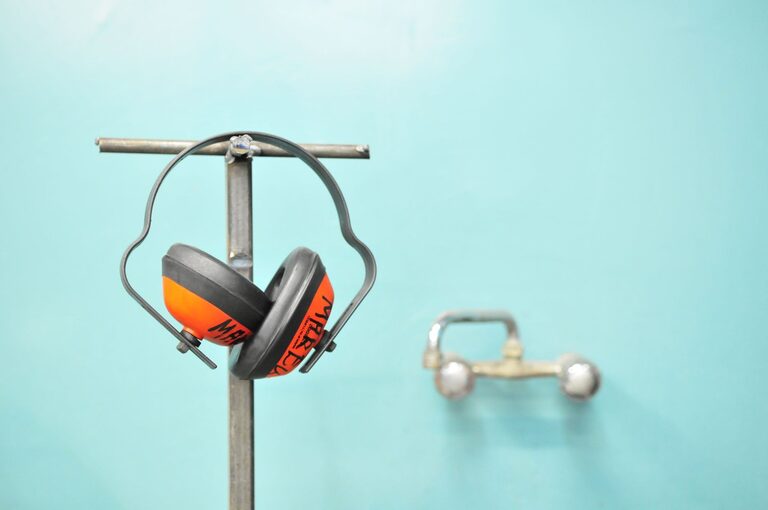
Living in a noisy home can be stressful and affect your comfort, productivity, and well-being. Whether it’s loud street sounds, noisy neighbors, or everyday household noises, reducing noise can make a big difference in how peaceful your living space feels. Fortunately, there are several simple and affordable ways to minimize noise and create a calmer atmosphere at home.
In this post, we’ll explore practical tips and techniques for reducing noise, from easy fixes you can do yourself to small changes that have a big impact.
Why Reduce Noise at Home?
Excess noise can increase stress, disturb sleep, and make it harder to concentrate. Lowering noise levels helps you relax, enjoy conversations, and improve your overall quality of life. Creating a quieter home is especially important if you work from home, have small children, or just want a more restful environment.
Identify the Main Sources of Noise
Before you start, take a moment to figure out where most of the noise is coming from. Common sources include:
– Traffic and street noise
– Noisy neighbors or shared walls
– Appliances and electronics
– Footsteps or household activity
– Outdoor sounds like lawnmowers or barking dogs
Knowing the main sources will help you choose the most effective solutions.
Simple Ways to Reduce Noise at Home
1. Use Soft Furnishings to Absorb Sound
Hard surfaces reflect sound, making noise louder. Soft furnishings help absorb sound waves and reduce echoes.
– Add rugs or carpets, especially on hard floors
– Use thick curtains or drapes on windows
– Place cushions, upholstered furniture, and fabric wall hangings in common noise areas
These items make a noticeable difference in how sound travels in a room.
2. Seal Windows and Doors
Gaps and cracks around windows and doors can let in a lot of outside noise.
– Use weather stripping or door sweeps to seal gaps
– Apply acoustic caulk to cracks and crevices
– Consider double-glazed or noise-reducing windows if you’re near a busy street
Proper sealing can significantly reduce outside noise entering your home.
3. Rearrange Your Furniture
Strategic furniture placement can help block or absorb noise.
– Move large pieces like bookshelves or wardrobes against shared walls
– Position seating areas away from noisy windows or doors
– Use room dividers or bookcases to create sound barriers
Furniture can serve as both decoration and a practical noise buffer.
4. Install Soundproofing Materials
For more serious noise problems, consider materials specifically designed to block or absorb sound.
– Acoustic panels on walls or ceilings
– Soundproof curtains or blinds
– Thick rugs with sound-absorbing underlayments
These options vary in cost and complexity but can greatly improve quietness.
5. Use White Noise Machines or Fans
Sometimes eliminating noise isn’t possible, but masking it can be effective.
– Use white noise machines, fans, or air purifiers to create a consistent, calming background sound
– These devices help cover up sudden noises, making them less disturbing
White noise is especially helpful for better sleep in noisy environments.
6. Limit Noise from Appliances and Electronics
Household devices can generate constant noise.
– Choose quiet models for appliances like dishwashers, vacuum cleaners, or air conditioners
– Place noisy gadgets on soft mats to reduce vibration sounds
– Turn off electronics when not in use
Maintaining and managing appliances can help keep noise levels down.
7. Reduce Noise from Footsteps and Impact Sounds
Hard floors and ceilings can transmit impact noises easily.
– Use rugs and carpets with thick padding
– Consider cork or rubber floor underlayments
– Add felt pads to the bottoms of furniture legs to minimize scraping sounds
These adjustments reduce noise transfer between floors and rooms.
Additional Tips for a Quieter Home
– Talk to neighbors kindly if noise is a consistent issue—you might find a solution together.
– Keep doors closed to contain noise within specific rooms.
– Use heavy curtains or shutters at night to block outside noise.
– Maintain your home’s insulation, as proper insulation also helps reduce sound transmission.
Conclusion
Reducing noise at home doesn’t have to be complicated or expensive. By using simple strategies like adding soft furnishings, sealing gaps, rearranging furniture, and introducing sound-absorbing materials, you can create a more peaceful and comfortable living space. Start with small changes and see how much calmer your home can feel.
Your well-being matters, and a quieter home can help you recharge and enjoy your daily life more fully. Give some of these tips a try and experience the difference!
About the Author