Setting realistic weekly goals is a proven way to enhance productivity, maintain focus, and achieve progress steadily. Whether you’re a student, professional, or managing a busy household, clear and attainable goals help you organize your time, reduce stress, and build momentum toward larger objectives.
In this post, we’ll explore how to set weekly goals that are realistic, measurable, and motivating. With practical tips and clear strategies, you’ll be able to plan your weeks effectively and celebrate meaningful progress.
Why Set Weekly Goals?
Weekly goals act as a bridge between your long-term ambitions and daily tasks. They provide structure and direction by breaking down bigger projects into manageable parts. Here are some key benefits:
– Focus: You know exactly what to work on this week.
– Motivation: Completing weekly goals boosts confidence and keeps you moving forward.
– Accountability: Clear goals help you track your progress and adjust plans as needed.
– Balance: Realistic goals prevent burnout by not overloading your schedule.
Step 1: Reflect on Your Priorities
Before you write any goals, take a moment to review your overall priorities. These may include professional responsibilities, personal development, health, relationships, or hobbies. Identifying what matters most helps you focus on meaningful outcomes.
Try asking yourself:
– What are my top priorities right now?
– Which tasks or projects need progress this week?
– What areas of my life need attention to maintain balance?
Step 2: Use the SMART Criteria
A helpful way to make goals realistic and clear is to use the SMART framework. SMART stands for:
– Specific: Define exactly what you want to achieve.
– Measurable: Include criteria to track your progress.
– Achievable: Set goals that are challenging but doable.
– Relevant: Align goals with your priorities and values.
– Time-bound: Set a clear deadline (in this case, by week’s end).
For example, instead of saying “Exercise more,” say “Go for a 30-minute walk on Monday, Wednesday, and Friday.”
Step 3: Limit the Number of Goals
Trying to do too much at once can be overwhelming. Aim for 3 to 5 weekly goals to maintain focus and ensure quality results. Prioritize the most important or urgent items on your list.
Step 4: Break Down Larger Tasks
If a goal feels too big, split it into smaller, actionable steps. This makes progress feel achievable and keeps you motivated.
For example, if your goal is to “Write a 2,000-word report,” break it down into:
– Outline the report (Monday)
– Write the introduction and first section (Tuesday)
– Complete the main body (Wednesday)
– Edit and proofread (Thursday)
– Finalize and submit (Friday)
Step 5: Schedule Time for Your Goals
Goal setting is only effective if you make time to work on them. Block out dedicated periods in your calendar for each goal or task, and treat these appointments as non-negotiable.
A helpful practice is “time blocking,” where you assign specific hours to particular goals or tasks.
Step 6: Track and Review Progress
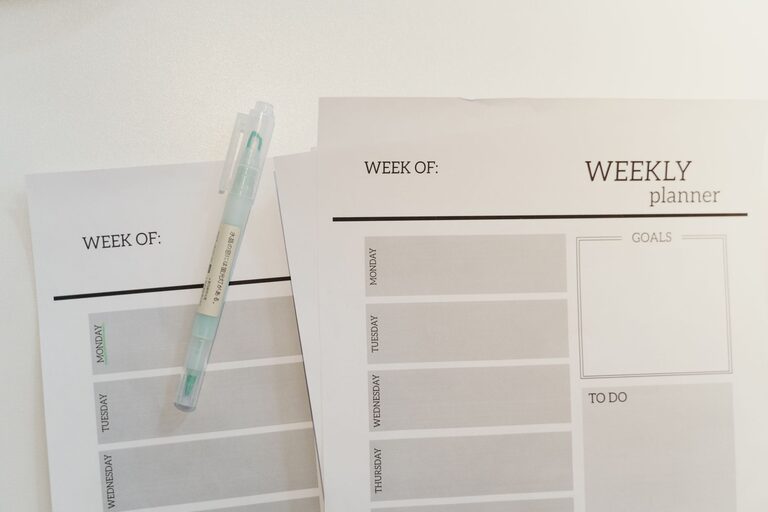
Keep track of your accomplishments throughout the week. You can use a journal, planner, or digital app. At the end of the week, review what you achieved and reflect on what worked well or what could improve.
Ask:
– Did I complete my weekly goals?
– Were my goals too ambitious or too easy?
– What obstacles came up, and how can I handle them next time?
Step 7: Adjust and Plan for the Next Week
Goal setting is an ongoing process. Use your weekly review insights to adjust your goals for the next week. Stay flexible—sometimes priorities shift, and that’s okay.
Tips for Success
– Be honest: Don’t set goals based on what you think you should do—focus on what’s realistic for your current situation.
– Celebrate wins: Reward yourself for completing goals to stay motivated.
– Stay positive: View setbacks as learning opportunities, not failures.
– Stay organized: Use tools like to-do lists, planners, or apps to keep your goals visible.
– Include personal goals: Balance work-related goals with self-care and hobbies.
Sample Weekly Goals Template
| Goal Description | Steps to Complete | Deadline | Progress Notes |
|————————————|———————————–|———–|—————————|
| Finish client presentation draft | Outline, draft slides, review | Friday | |
| Exercise 3 times this week | Walk or gym sessions | Sunday | |
| Read 2 chapters of professional book| Read 1 chapter on Tue and Thu | Sunday | |
| Declutter workspace | Sort papers and organize files | Wednesday | |
Using a simple table or checklist can help you visualize your goals and stay on track.
—
Setting realistic weekly goals takes some practice, but it’s a rewarding habit that builds discipline and clarity. By focusing on what matters most and breaking goals into manageable parts, you can make steady progress without feeling overwhelmed.
Start today by choosing just a few targets for the week ahead. With consistency, you’ll notice improvements in your productivity, focus, and overall wellbeing. Happy goal setting!
About the Author