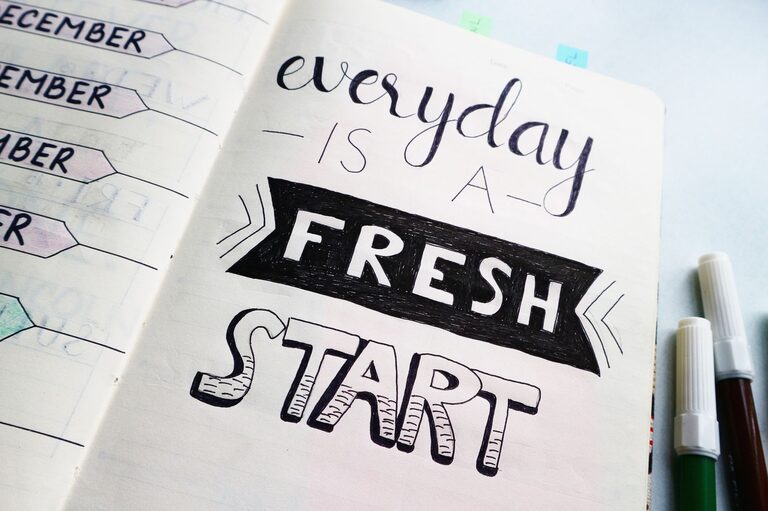

Managing your finances doesn’t have to be complicated or overwhelming. By adopting a few simple budget habits, you can take control of your money, reduce stress, and build savings over time. Whether you’re new to budgeting or looking to improve your current habits, these everyday tips are easy to follow and effective in making your money work better for you.
Why Simple Budget Habits Matter
Budgeting is more than tracking where every penny goes. It’s about creating a plan to help you live within your means, prepare for the future, and enjoy peace of mind. When budgeting feels simple and manageable, you’re more likely to stick with it and reach your financial goals.
Easy Budget Habits to Start Today
1. Track Your Spending
Start by knowing exactly where your money goes. For one week or month, write down every expense — no matter how small. Use a notebook, a budgeting app, or even a simple spreadsheet.
– This helps identify unnecessary purchases.
– It reveals spending patterns.
– You can find areas to cut back without feeling deprived.
2. Set Realistic Spending Limits
Once you understand your spending, set clear limits for different categories like groceries, entertainment, and dining out. Remember to be realistic. The goal is to create a budget you can stick to, not one that feels impossible.
3. Automate Savings
Put your savings on autopilot by setting up automatic transfers to a savings account right after payday. Even a small amount regularly will build up over time without you needing to think about it.
4. Use Cash for Discretionary Spending
Try using cash for non-essential expenses like coffee, snacks, or impulse buys. When you physically see and feel the money leaving your hand, it’s easier to stay within your budget.
5. Plan for Irregular Expenses
Some expenses don’t happen every month but can still catch you off guard, such as car maintenance, gifts, or medical bills. Set aside a small monthly amount to cover these irregular costs so they don’t disrupt your budget.
Tips to Keep Budgeting Simple and Effective
Create a Monthly Budget Sheet
A simple budget sheet listing all income and expenses helps keep you organized. Update it regularly and review your progress to stay on track.
Review and Adjust
Life changes, and so should your budget. Check in monthly or quarterly to assess what’s working and what isn’t. Adjust your limits and goals as needed.
Avoid Emotional Spending
Try to recognize when you’re spending out of boredom, stress, or emotion rather than necessity. Find other ways to cope, like walking, reading, or calling a friend.
Prioritize Needs Over Wants
Always cover essential expenses first — rent, bills, groceries — before spending on discretionary items.
Benefits of Simple Budget Habits
– Reduced Financial Stress: Knowing where your money goes can ease anxiety.
– More Savings: Small daily habits lead to bigger savings over time.
– Better Financial Decisions: You’ll be able to make smarter choices about spending and investments.
– Confidence and Control: Budgeting empowers you to take charge of your financial future.
Final Thoughts
Building simple budget habits doesn’t mean restricting yourself or giving up fun. It means making mindful choices that balance your current needs and future goals. Start small, stay consistent, and watch your financial confidence grow one habit at a time.
Remember, the most effective budget is one you can maintain comfortably every day. Try these tips and see how a simple approach to budgeting can improve your financial well-being and peace of mind.
About the Author