
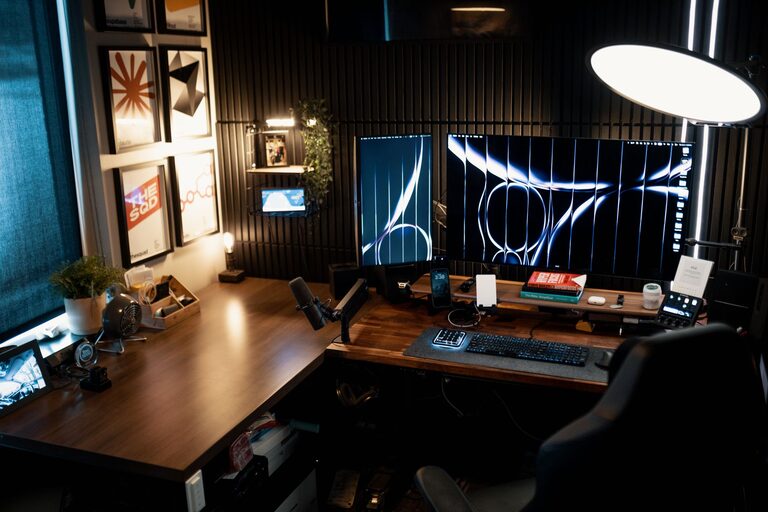
Creating a relaxing home workspace is essential in today’s world where many of us spend hours working from home. A comfortable, pleasant environment not only improves focus but also helps reduce stress and maintain a healthy work-life balance. Whether you have a dedicated room or just a corner of your home to work in, you can transform the space into a relaxing, productive zone with a few thoughtful adjustments.
Why a Relaxing Workspace Matters
Working from home can blur the lines between personal life and professional duties. When your workspace feels cluttered or uncomfortable, it’s easy to feel overwhelmed and distracted. On the other hand, a calming workspace promotes concentration, creativity, and overall well-being.
Choosing the Right Spot
Find Natural Light
Natural light is one of the best elements to include in your workspace. Position your desk near a window if possible. Exposure to daylight helps regulate your sleep cycle and uplifts your mood during work hours.
Minimize Noise Distractions
If possible, select a quiet area in your home, away from heavy foot traffic or noisy appliances. Using noise-canceling headphones or white noise machines can also help create a peaceful atmosphere.
Setting Up Your Desk
Invest in Ergonomic Furniture
Comfort is key. An ergonomic chair with good back support and a desk at the right height can prevent fatigue and physical discomfort. Adjustable chairs and desks offer flexibility for different tasks.
Keep Your Desk Organized
Clutter can add to stress. Use trays, drawers, and organizers to keep essential items within reach but out of sight when not in use. A clean desk creates a clear mind.
Add Calming Decor
Use Soothing Colors
Soft, neutral colors like blues, greens, or earth tones create a tranquil environment. Avoid overly bright or harsh colors that can be stimulating or distracting.
Incorporate Plants
Plants not only add a splash of color but also improve air quality and have been shown to reduce stress. Small potted plants, succulents, or even hanging planters are great options.
Personalize Your Space
Add a few personal touches that make you feel relaxed and motivated—a favorite photo, a piece of art, or inspiring quotes on your wall.
Manage Lighting
Balance Ambient and Task Lighting
Natural light is ideal, but supplement with adjustable task lighting like a desk lamp to reduce eye strain during early mornings or late evenings.
Avoid Harsh Overhead Lights
Soft, warm lighting tends to be more soothing than bright, fluorescent overhead lights. Consider lampshades that diffuse light gently.
Organize Technology Wisely
Cable Management
Tangled cords can be distracting and unsightly. Use cable clips, sleeves, or under-desk trays to keep wires neat and out of the way.
Choose Quiet Devices
If possible, use quieter keyboards, mice, and printers to reduce noise pollution in your workspace.
Create a Routine to Keep it Relaxing
Take Regular Breaks
Incorporate short breaks to stretch, hydrate, or simply rest your eyes. Setting a timer or using apps designed for the Pomodoro technique can help maintain this habit.
Keep Work Materials Separate
Store work-related items separately from non-work items. When work time ends, tidy up your desk to signal the end of your workday mentally.
Additional Relaxation Tips
– Add Aromatherapy: Use essential oils like lavender or eucalyptus for a calming scent.
– Incorporate Soft Textures: A comfortable rug or cushion can add warmth.
– Use Soundscapes: Play gentle ambient sounds or nature recordings to promote relaxation and focus.
Conclusion
Designing a relaxing home workspace is about creating a balance between functionality and comfort. By choosing the right location, organizing your desk, adding calming elements, and maintaining good habits, you can transform your workspace into an inviting place that helps you stay focused and stress-free. With a peaceful environment, working from home becomes not only productive but also enjoyable.
About the Author