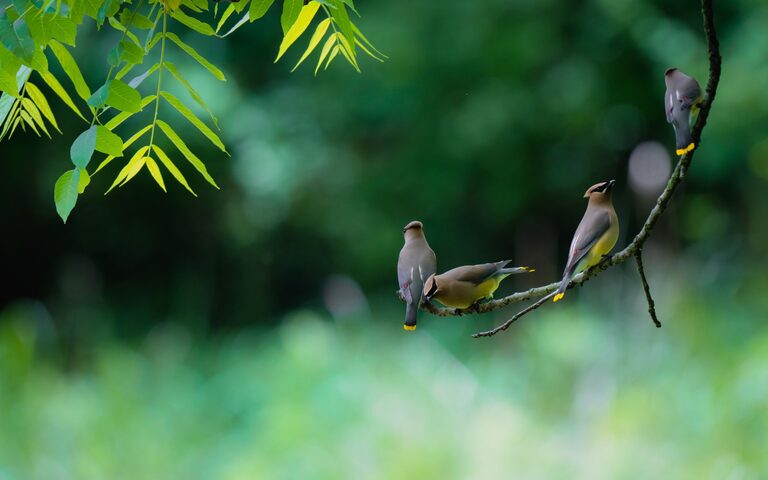
Birdwatching is a rewarding hobby that connects you with nature, brings tranquility, and offers endless opportunities to learn. You don’t need to travel far or invest in expensive gear to get started—your own backyard can be the perfect place to observe beautiful birds up close. If you’re new to birdwatching, these beginner tips will help you attract birds, identify species, and make the most of your outdoor experience.
Why Backyard Birdwatching?
Backyard birdwatching lets you enjoy wildlife without leaving home. It’s accessible, relaxing, and can even support local bird populations by providing food and shelter. For beginners, it’s an easy way to learn the basics of bird behavior, habits, and identification. Plus, it’s a great activity for all ages and a wonderful way to spend time outdoors.
Setting Up Your Backyard for Birdwatching
Provide Food Sources
Birds visit areas where food is available. Setting up bird feeders attracts a variety of species to your yard.
– Choose the Right Feeders: Consider different types such as tube feeders, platform feeders, or suet feeders. Each attracts different birds.
– Select Appropriate Birdseed: Black oil sunflower seeds attract many birds, while thistle (nyjer) seed is loved by finches. Avoid mixes with fillers like millet if you want specific birds.
– Keep Feeders Clean: Clean feeders regularly to prevent mold and disease.
Create Shelter and Nesting Spots
Birds seek safe places to rest and raise their young.
– Plant Native Trees and Shrubs: Native plants offer natural food like berries and insects and provide shelter.
– Install Birdhouses: Choose houses designed for local species and place them in quiet, safe areas.
– Leave Leaves and Branches: Some birds use twigs and leaves for nesting material.
Provide Water
Fresh water is essential for birds to drink and bathe.
– Use Birdbaths: Place shallow birdbaths in visible, sheltered spots.
– Keep Water Clean: Change water frequently to prevent algae and mosquitoes.
– Consider a Dripper or Fountain: Moving water attracts more birds.
Essential Birdwatching Tools for Beginners
While not required, a few basic tools can enhance your experience.
– Binoculars: A lightweight pair with 6x to 8x magnification works well for backyard birdwatching.
– Field Guide or Bird ID App: Use a guidebook or mobile app to help identify species by color, shape, and behaviors.
– Notebook or Bird Journal: Record your sightings and notes to track your learning progress.
Tips for Observing Birds
Be Patient and Quiet
Birds can be shy with sudden movements or noise. Find a comfortable spot to sit quietly and watch. Patience often rewards you with more activity.
Watch at Different Times of Day
Birds are usually most active in the early morning and late afternoon. Spend time during these periods for better sightings.
Learn to Identify Birds
Start with common backyard birds like sparrows, cardinals, blue jays, and chickadees. Focus on key features like size, color patterns, beak shape, and behavior.
Use Photos and Recordings Responsibly
Taking photos or listening to bird calls can help with identification but avoid disturbing birds, especially during nesting season.
Common Backyard Birds and What Attracts Them
Here are a few popular backyard birds and tips to attract them:
– Northern Cardinal: Likes sunflower seeds and dense shrubs for shelter.
– American Goldfinch: Prefers nyjer seeds and open areas with thistle plants.
– Blue Jay: Attracted to peanuts and sunflower seeds; enjoys large trees.
– Chickadee: Enjoys sunflower seeds and suet; often found near feeders.
– House Finch: Likes a variety of seeds and berries; common in urban areas.
Safety and Respect for Birds
– Avoid using pesticides or herbicides in your yard, as these can harm birds and their food sources.
– Respect nesting birds by keeping a distance and not disturbing them.
– Keep pets, especially cats, indoors or supervised to protect visiting birds.
Enjoying Backyard Birdwatching as a Family
Birdwatching is a wonderful activity to share with children. It encourages curiosity, patience, and appreciation for nature. You can create simple DIY projects like homemade bird feeders or birdhouses and keep a family bird journal to make it fun and educational.
Final Thoughts
Starting backyard birdwatching is simple and fulfilling. By creating a welcoming environment and learning a few basics, you can enjoy a steady flow of feathered visitors and the peacefulness they bring. Whether you’re looking to relax, study nature, or share a new hobby with your family, birdwatching in your backyard is a great place to begin.
Happy birdwatching!
About the Author