
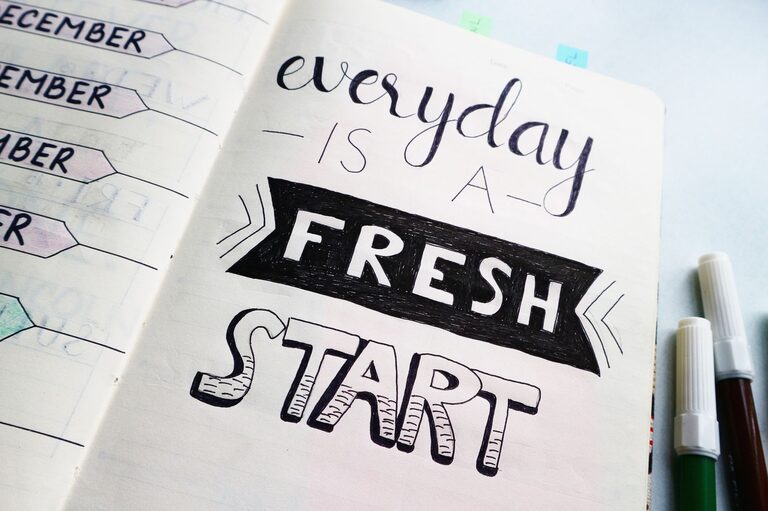
Creativity is often seen as a special skill only some people have, but the truth is, it’s a muscle you can strengthen with regular practice. Whether you’re an artist, a writer, a professional, or simply someone who wants to bring more fresh ideas into their life, nurturing creativity each day can lead to greater problem-solving skills, satisfaction, and even happiness.
Here are some simple, approachable ways to practice creativity every day to keep your mind active and inspired.
Why Practice Creativity Daily?
Creativity isn’t just about art or music; it’s about using your imagination to solve problems, connect ideas, and see the world in new ways. When exercised consistently, creativity can improve your ability to adapt, innovate, and overcome challenges both at work and in personal life.
Making creativity a daily habit can also reduce stress and increase your sense of accomplishment, as you carve out time to express yourself freely.
1. Keep a Creativity Journal
One of the easiest and most effective ways to practice creativity every day is to keep a journal dedicated to your ideas.
– Write down thoughts: Capture any interesting ideas, observations, or questions that pop into your mind, no matter how small.
– Sketch or doodle: Even if you’re not an artist, drawing can unlock different parts of your brain and help you think differently.
– Reflect: At the end of each day or week, review your notes to spot patterns or develop new concepts.
This habit encourages you to pay attention to your surroundings and your inner thoughts, which is the foundation of creative thinking.
2. Try a New Activity Regularly
Stepping out of your comfort zone fuels creativity by exposing you to new experiences.
– Take a different route for your daily walk.
– Try cooking a recipe from a cuisine you haven’t explored before.
– Learn a simple craft like origami or knitting.
– Listen to music genres you don’t usually hear.
These new activities stimulate your brain, making connections between unrelated ideas, which is essential for creative thought.
3. Set Aside Time for Free Writing or Brainstorming
Dedicate 10 to 15 minutes a day to free writing or brainstorming without judgment.
– Free writing: Write non-stop about anything that comes to mind. Don’t worry about grammar or structure.
– Brainstorm: Pick a topic or problem and jot down every idea related to it, even the ones that seem silly.
This practice helps silence your inner critic and allows ideas to flow more freely.
4. Engage in Mindful Observation
Creativity grows from noticing details others might miss.
– Spend a few minutes each day observing nature, people, or your environment.
– Take note of colors, shapes, sounds, or emotions.
– Practice mindfulness to become more present and aware.
This heightened awareness fuels inspiration and provides material for creative projects.
5. Collaborate and Share Ideas
Creativity blossoms in community too.
– Discuss ideas with friends, family, or colleagues.
– Join clubs, classes, or online groups related to your interests.
– Share your work or thoughts to get feedback and fresh perspectives.
Collaboration can spark new insights and motivate you to keep creating.
6. Limit Screen Time and Embrace Analog Activities
Constant digital stimulation can sometimes limit creative thinking.
– Allocate periods in your day when you disconnect from screens.
– Use pen and paper for note-taking, sketching, or planning.
– Engage in hands-on hobbies like gardening, cooking, or crafting.
These offline moments give your brain space to wander and generate ideas.
7. Set Simple Creative Challenges
Make creativity fun by setting manageable challenges.
– Challenge yourself to write a short poem or story.
– Take a photo of something unusual every day.
– Create a collage from magazine clippings.
– Invent a new game or recipe.
Challenges provide motivation and structure to your creative efforts without overwhelming you.
8. Practice Gratitude and Positive Thinking
A positive mindset supports creativity by lowering fear of failure.
– Each day, write down a few things you’re grateful for.
– Celebrate small creative wins, no matter the outcome.
– Replace negative thoughts like “I’m not creative” with encouraging ones like “I’m learning and growing.”
Confidence encourages you to take more risks in your creative work.
—
Final Thoughts
Incorporating creativity into your daily routine doesn’t require special talent or extensive time commitments. By trying some of these simple practices, you can awaken your creative spirit, improve your problem-solving skills, and find joy in expressing yourself.
Remember, creativity is a journey, not a destination. Be patient and kind to yourself as you explore and expand your creative habits every day.
About the Author